

When it comes to developing a HMI, getting it right the first time is essential. A reliable and effective HMI is key for ensuring that users can interact with machines safely and efficiently. Automated tests can help ensure that your HMI is operating correctly, quickly and accurately, resulting in fewer errors and improved usability.
Overview of automated testing processes
Automated testing involves running pre-defined test scripts on the target device to check if it functions as expected. This allows for testers to quickly obtain results without needing manual intervention. There are several types of automated tests that can be used to test an HMI, including functional testing (as well as short circuits in the wiring), regression testing, and performance testing.
We possess a wide range of testing equipment to do several checks. We have for example an automatic testing machine for keyboards. But also, a very sophisticated climate cabinet and a UV testing machine. We also run a lifetime test.
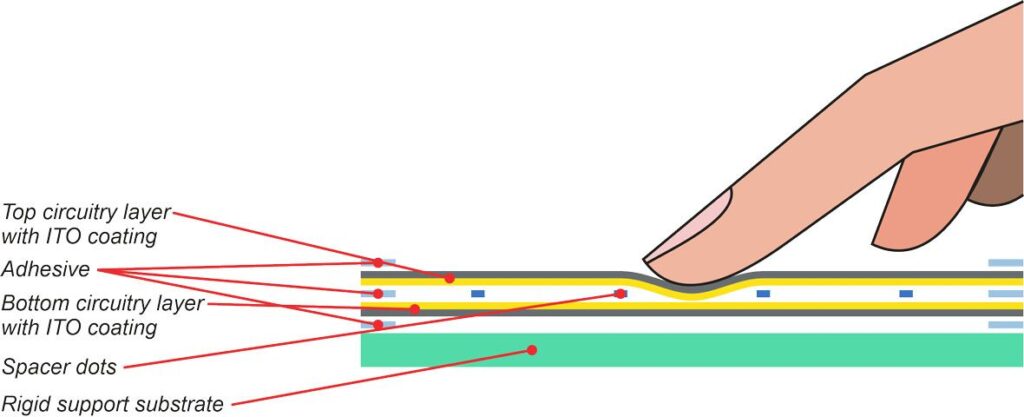
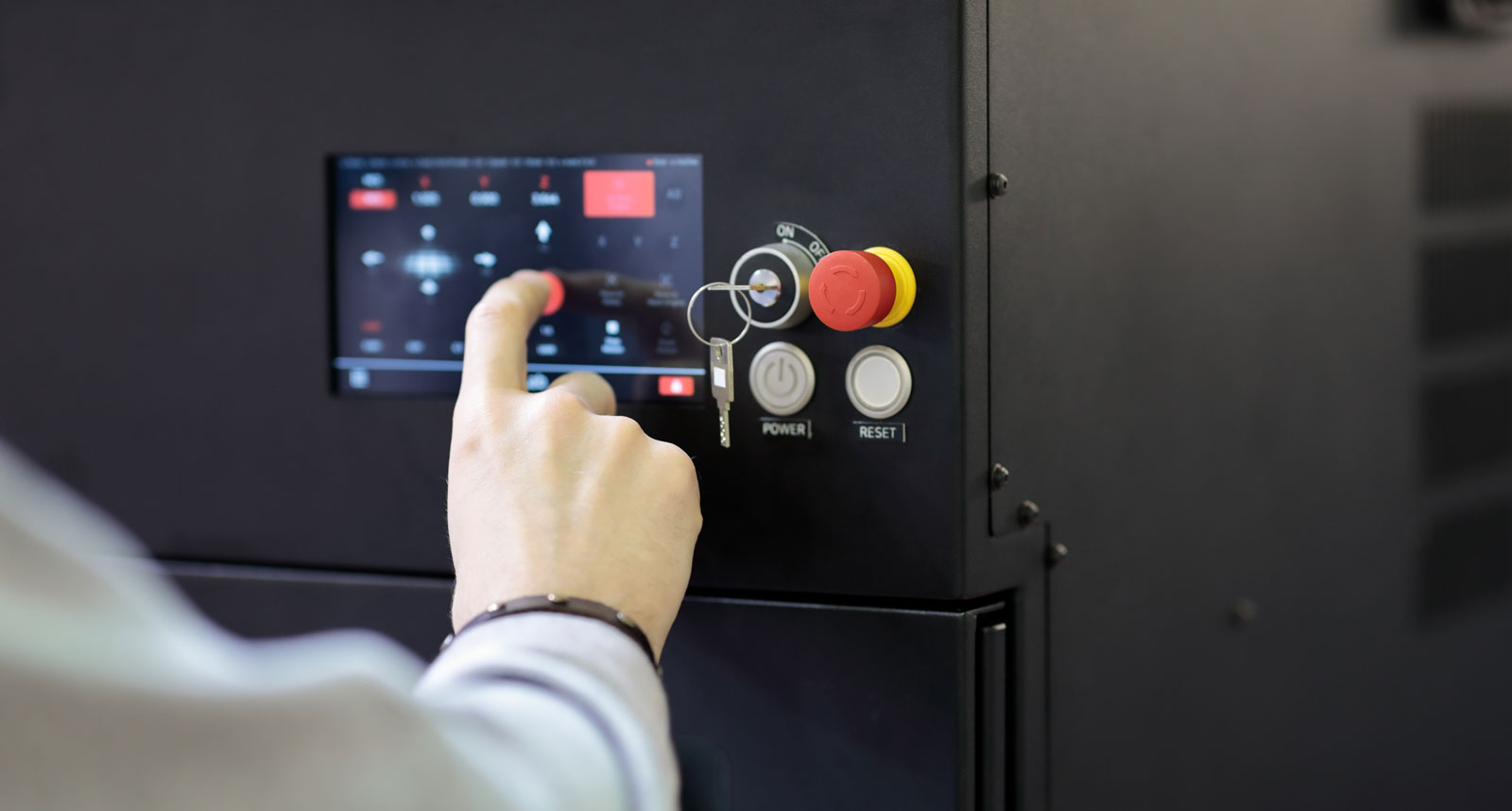
We provide extended testing of touchscreens: we test the pre-calibration, the fine-tuning on the complete modules as well as testing of the entire touch panel through pre-defined fields on the Graphical User Interface, where the tester must press ‘everywhere’ on the screen. And we automatically load firmware.
To set up an automated testing process, we need to write and set up the test scripts and configure the environment for running tests. But in doing so, we guarantee your HMI will function perfectly adapted to your needs.
The benefits of automated HMI tests
The benefits of using automated tests for HMI include not only increased accuracy and reliability of the HMI, but also reduced time and costs associated with manual testing, improved quality control, and greater consistency of your HMI across different devices. Automated tests can also be used to check that the HMI meets certain standards or requirements such as accessibility or usability.
Automated tests can offer significant benefits when compared to manual testing. Firstly, automated tests are more accurate and reliable, as they are able to detect bugs that a manual tester may miss. Secondly, they reduce the time associated with manual testing, enabling testers to run more tests in less time. Finally, automated tests also improve quality control by ensuring that any changes introduced into the system do not break existing functionality.
In conclusion, automated HMI tests are a great way to ensure that your user interface is functioning correctly and providing users with an efficient experience. Automated tests provide faster feedback on any issues that may arise and help improve overall product quality. They also reduce the cost of manual testing by eliminating the need for human intervention. The use of automated tests should be considered when designing any HMI to ensure that it meets the desired requirements.
We at ClickTouch make sure your HMI is 100% tested and immediately usable so you can be confident that users will have a smooth, enjoyable experience with your product.
INTERESTED?